

















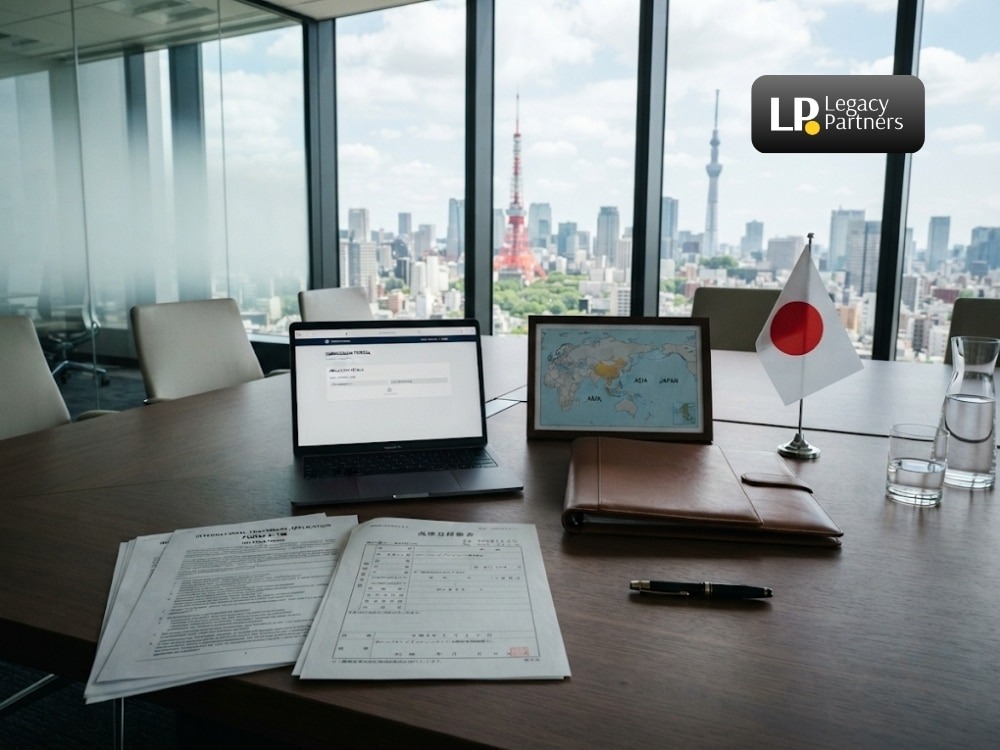


Japan is one of the world’s largest consumer markets and a strategic gateway into the wider Asia-Pacific region.
Before selling products, licensing a brand, or opening operations there, registering a trademark with the Japan Patent Office (JPO) is one of the first steps any serious business should take.
Japan follows a strict first-to-file system. Registration rights generally go to whoever files first, not whoever used the mark first. This guide walks through the process from start to finish, so you know exactly what to expect at each stage
Why Does Trademark Filing Timing Matter in Japan?
Because Japan is a first-to-file jurisdiction, the right to register a mark belongs to the first applicant, regardless of prior use anywhere else in the world. Businesses that wait until after entering the Japanese market risk a local party filing the same or a similar mark first, sometimes deliberately. Filing early, even years before an actual product launch, is the safest way to secure a brand name in Japan.
How to Register a Trademark in Japan: Step-by-Step Process
Step 1: Conduct a Trademark Search
Before filing, search the JPO’s trademark database to check whether an identical or confusingly similar mark is already registered or pending for similar goods or services. This reduces the risk of refusal or opposition later in the process.
Step 2: Classify Your Goods and Services
Identify the correct Nice Classification classes for the goods and services the mark will cover. Japan uses the international Nice Classification system, and the scope of protection is limited to the classes specified in the application.
Step 3: Appoint a Local Representative
Foreign applicants without a residence or business address in Japan must appoint a Japanese patent or trademark attorney to file and prosecute the application. This is a mandatory legal requirement, not an optional convenience, and the representative will handle all communication with the JPO.
Step 4: File the Application with the JPO
The application includes a clear representation of the mark, the applicant’s details, and the classified list of goods and services. The local representative is simply named on the application itself, and unlike some other jurisdictions, the JPO does not require a Power of Attorney to be filed to appoint them. If claiming priority from an earlier foreign filing, the priority document must be submitted within six months of that original filing date.
Step 5: Formality Examination
The JPO first checks that the application meets formal requirements, correct classification, complete applicant details, and proper documentation. This stage typically takes one to two weeks.
Step 6: Substantive Examination
The JPO then examines the mark for distinctiveness, absolute grounds for refusal, and conflicts with earlier registered or pending marks. This stage generally takes six to eight months. If objections are raised, the applicant has an opportunity to respond within a set statutory deadline.
Step 7: Publication and Opposition Period
Once accepted, the mark is published, opening a two-month window during which third parties may file an opposition. If no opposition is filed, or if an opposition is resolved in the applicant’s favour, the registration proceeds.
Step 8: Registration and Renewal
Upon successful completion, the JPO issues a registration certificate. Protection lasts 10 years from the registration date and can be renewed indefinitely in further 10-year terms, provided renewal fees are paid on time.
Stage |
Typical Timeline | Key Notes |
Filing & formality check |
1–2 weeks | JPO verifies form and Nice Classification |
Substantive examination |
6–8 months | Distinctiveness, prior marks, absolute grounds |
Publication for opposition |
2 months | Third parties may oppose after registration |
Registration certificate |
After opposition period lapses | Protection lasts 10 years, renewable |
Key Takeaway
|
What Documents Are Required to Register a Trademark in Japan?
- A clear representation of the mark (word, logo, or combined mark).
- A list of goods and services classified under the Nice Classification system.
- Applicant name, address, and nationality or place of incorporation.
- A Power of Attorney appointing the local representative (notarisation is generally not required).
- Priority document, if claiming priority from an earlier foreign filing within six months.
What Happens If a Registered Trademark Is Not Used?
Japan allows a non-use cancellation action. If a registered mark has not been used in Japan for three consecutive years, any interested party can apply to cancel the registration for the unused goods or services. Keeping evidence of use, invoices, packaging, advertising, and dated samples, protects against this risk.
Should You Register Both English and Japanese Versions of Your Brand Name?
Yes, this is generally recommended. Many businesses register the Roman-script mark alongside a katakana transliteration, since Japanese consumers frequently refer to foreign brands using their phonetic Japanese rendering.
Can You Register a Trademark in Japan Through the Madrid Protocol?
Yes. Japan is a Madrid Protocol member, so brand owners already holding a home trademark registration can designate Japan through a single International Registration filed via WIPO, which can be more cost-efficient for multi-country portfolios.
Common Mistakes to Avoid When Filing in Japan
- Delaying filing until after entering the Japanese market, risking pre-emptive filings by local parties.
- Filing only in Roman script without considering katakana transliteration protection
- Choosing overly broad or vague goods and services descriptions that invite objections.
- Ignoring the two-month opposition window and failing to monitor JPO publications.
- Not appointing a local representative early enough to meet statutory response deadlines.