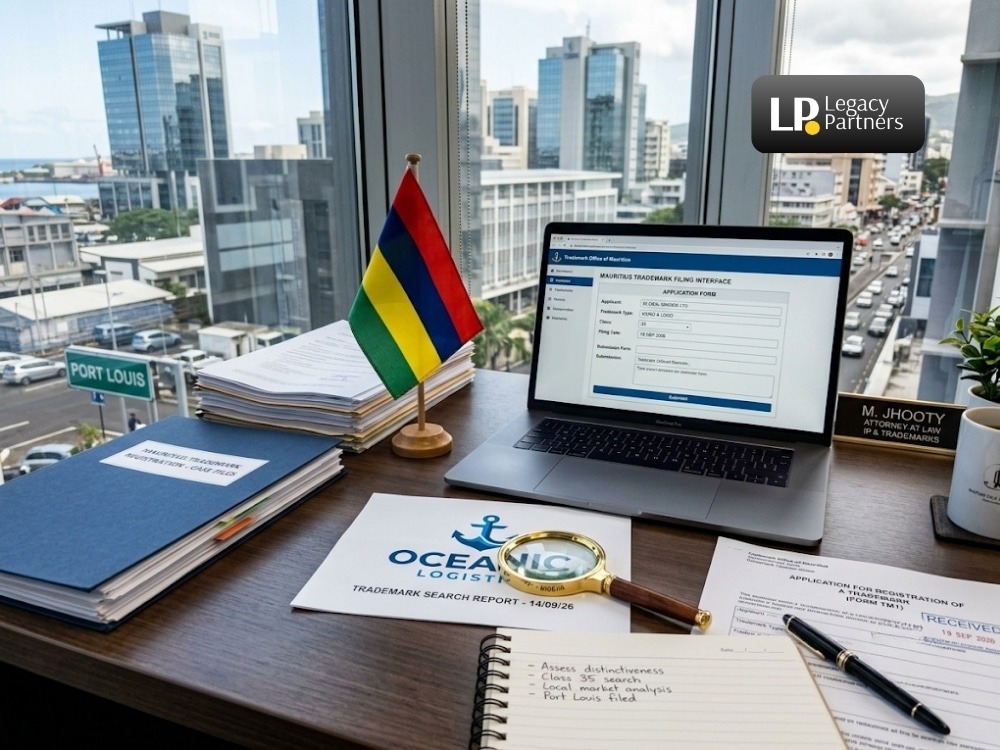


WIPO Madrid v. National Route: Which One for International Trademark Registration?
One of the most common questions businesses ask today is: “How do I register my trademark globally?”
In an era driven by e-commerce, cross-border trade, and globally integrated supply chains, protecting your brand internationally is no longer optional—it is a strategic necessity. However, a fundamental misconception persists: there is no such thing as a single “worldwide trademark registration.”
This article clarifies the reality of international trademark protection and evaluates the two primary routes available—the Madrid System administered by the World Intellectual Property Organization (WIPO) and the National Route—to determine which approach is more reliable and advisable.
The Reality: No Single Global Trademark
Contrary to popular belief, trademarks are territorial rights. Each country (or region) grants and enforces trademark protection under its own laws, procedures, and examination standards.
Even when using international systems, your application is ultimately examined by individual national or regional trademark offices. Approval in one jurisdiction does not guarantee approval elsewhere.
The only limited exception is regional systems such as the European Union Trademark (EUTM), which provides protection across all EU member states through a single registration. However, even this is region-specific—not global.
Why International Trademark Protection Matters
- Securing trademark rights in relevant jurisdictions offers several critical advantages:
- Market Protection: Ensures exclusive rights to your brand in countries where you sell or plan to sell.
- Prevention of Infringement: Stops competitors from using identical or confusingly similar marks.
- Brand Integrity: Protects against dilution through inferior or counterfeit products.
- Anti-Counterfeiting Measures: Enables enforcement against the global counterfeit market.
- Supply Chain Security: Prevents misuse of your brand by manufacturers, distributors, or partners in different countries.
Two Routes to International Trademark Protection
- The Madrid System (WIPO Route)
The Madrid System allows applicants to file a single application that can designate multiple member countries.
Advantages:
- Centralized filing and management
- Cost-effective for multi-country filings
- Simplified renewals and recordal of changes
Limitations:
- Dependency on the home application/registration
- Not truly international
- Local counsel still required
- Limited coverage
- The National Route (Direct Filings in Each Country)
Under the National Route, applications are filed directly in each country through local trademark counsel.
Advantages:
- Independence of applications
- Strategic flexibility
- Greater control
- Reduced systemic risk
Challenges:
- Higher upfront costs
- More administrative coordination
Conclusion
While the Madrid System offers administrative ease and initial cost savings, it comes with structural limitations.
For businesses with serious international ambitions, the National Route is generally the more reliable and advisable strategy because it offers independence, flexibility, and stronger long-term protection.
Ultimately, international trademark protection is about certainty, control, and enforceability—and from that perspective, the National Route remains the more robust approach.