


















Saudi Arabia Moves to a Digital Model for Customs Trade Mark Enforcement
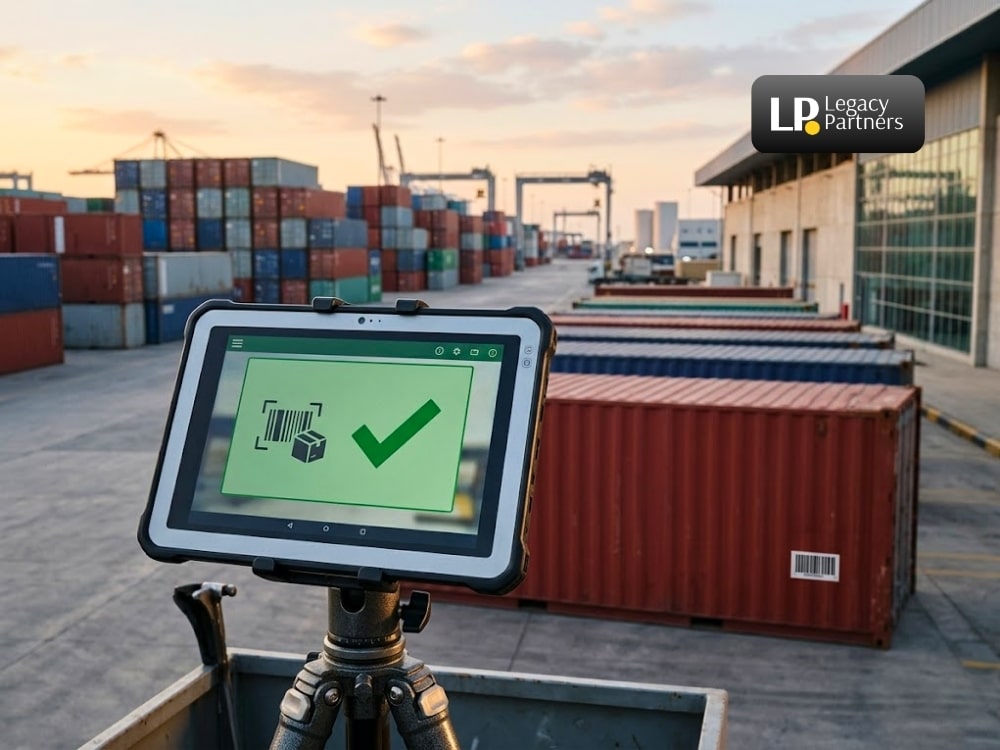
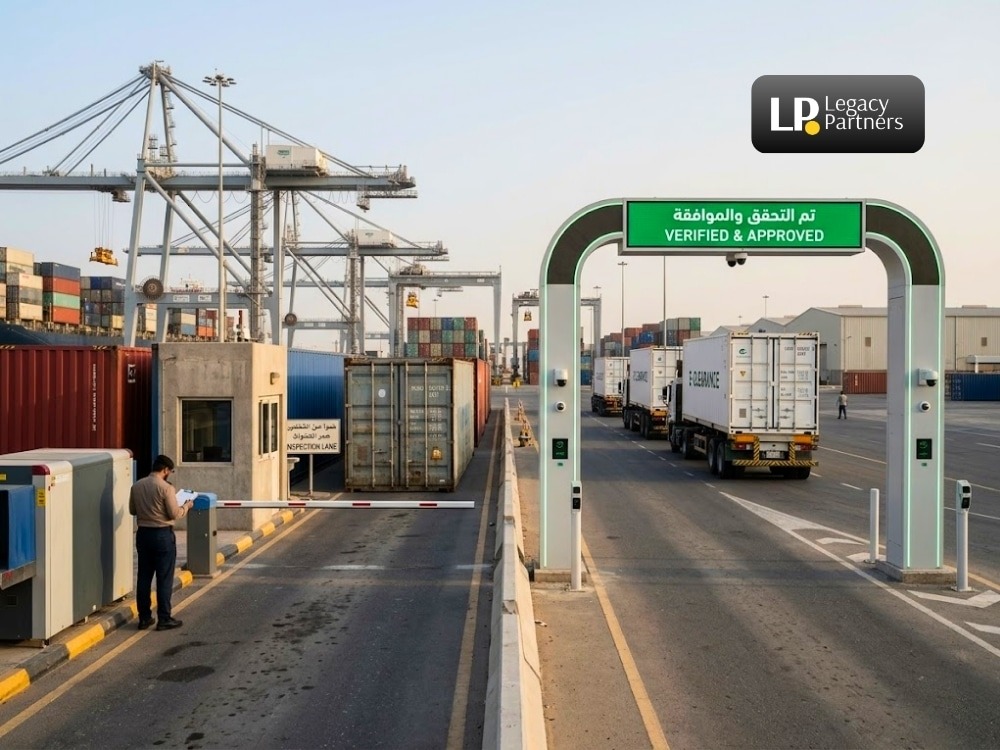
Saudi Arabia is preparing one of the more significant procedural shifts in its border anti-counterfeiting framework in recent years. The Saudi Authority for Intellectual Property (SAIP) is rolling out a new electronic enforcement platform, “Tahaqaq”, designed to connect Customs authorities, trade mark owners, and their appointed representatives through a single digital interface for handling suspected counterfeit shipments entering the Kingdom.
The platform will launch through a pilot phase before being expanded more widely. While Saudi Customs has long played an active role in border enforcement, Tahaqaq introduces an operational structure that differs markedly from the traditional detention procedures brand owners have relied on in infringement matters.
How the new system works
Rights holders will be able to register their trade marks by class directly through the platform. Once onboarded, brand owners and their local representatives can receive automated notifications whenever Customs identifies goods suspected of infringing a recorded mark.
A key change concerns how suspect goods are handled during review. Rather than remaining physically detained for the full verification period, consignments may be released back to the importer after formal undertakings are submitted confirming that the products will not be sold, circulated, or otherwise disposed of until authenticity checks are complete. Customs would retain samples of the shipment and transmit supporting materials, including photographs and shipping documentation, electronically to the relevant rights holder.
In effect, much of the verification process moves into a digital review framework, allowing trade mark owners to assess suspected products remotely before deciding whether the goods are counterfeit.
Two enforcement paths
Once infringement is confirmed, the system contemplates two routes:
• Criminal channel only. Where the rights holder chooses not to pursue a civil claim, the matter may still proceed as a public prosecution initiated by the competent authorities, without ongoing involvement from the trade mark owner.
• Civil proceedings with parallel criminal action. Where the rights holder elects to bring a civil claim, criminal action may run alongside it. This route is expected to give brand owners and their representatives broader procedural visibility and closer involvement throughout the matter.
A phased rollout
SAIP has confirmed that implementation will be progressive. The first stage is expected to cover a limited number of randomly selected trade marks and customs ports as a controlled testing environment, intended to evaluate functionality, identify technical gaps, and gather user feedback. A later transitional stage is expected to run the new mechanism alongside the existing reporting framework before replacing it entirely across Saudi customs ports.
To support adoption, SAIP has announced measures including account creation for IP representatives, user training sessions, technical assistance channels, and dedicated feedback mechanisms.
What this means for brand owners
The initiative reflects Saudi Arabia’s continued investment in modernising its IP enforcement infrastructure and its growing reliance on digital coordination between authorities and rights holders, particularly in customs matters, where response time and evidence assessment can materially affect enforcement outcomes.
Although participation is reportedly optional at this stage, rights holders are encouraged to register their trade marks on the platform to ensure they continue to receive notifications about suspected counterfeit shipments intercepted at the border.
For brands operating or expanding into the Saudi market, early registration and a clear internal process for responding to electronic Customs notifications will be the practical priorities as Tahaqaq moves from pilot to full deployment.
This update is provided by Legacy Partners for general information only and does not constitute legal advice. Forguidance on protecting and enforcing your trade marks in Saudi Arabia, please get in touch with our team. info@legacypartners.global