
Well-Known Foreign Brands Protection in Malaysia: What the Trademarks Act 2019 Really Covers

 Malaysia

What the Law Protects Without Registration
Under the Trademarks Act 2019, a brand that has achieved significant recognition among the relevant Malaysian public can qualify as a “well-known mark”, even if it was never registered or actively traded locally. This reflects Malaysia’s obligations under the Paris Convention and TRIPS Agreement. A well-known mark owner can oppose a conflicting application, apply to invalidate a bad-faith registration, and bring a common law passing off action all without holding a local registration.
Why It Matters
Malaysia sees regular trademark squatting, where local parties register foreign brand names before the real owner enters the market. Well-known mark protection exists to stop that kind of bad-faith exploitation, discourage imitators, and preserve a brand’s ability to enter the market later unblocked.
How Well-Known Status Is Proven
Neither MyIPO nor the courts treat “well-known” as self-declared. It is proven with evidence covering:
• Recognition among the relevant Malaysian public
• Duration, extent, and geography of use and promotion
• Prior registrations or recognition as well-known elsewhere
• Enforcement history and brand value
The mark need not have been used in Malaysia but the burden of proving recognition sits entirely with the brand owner.
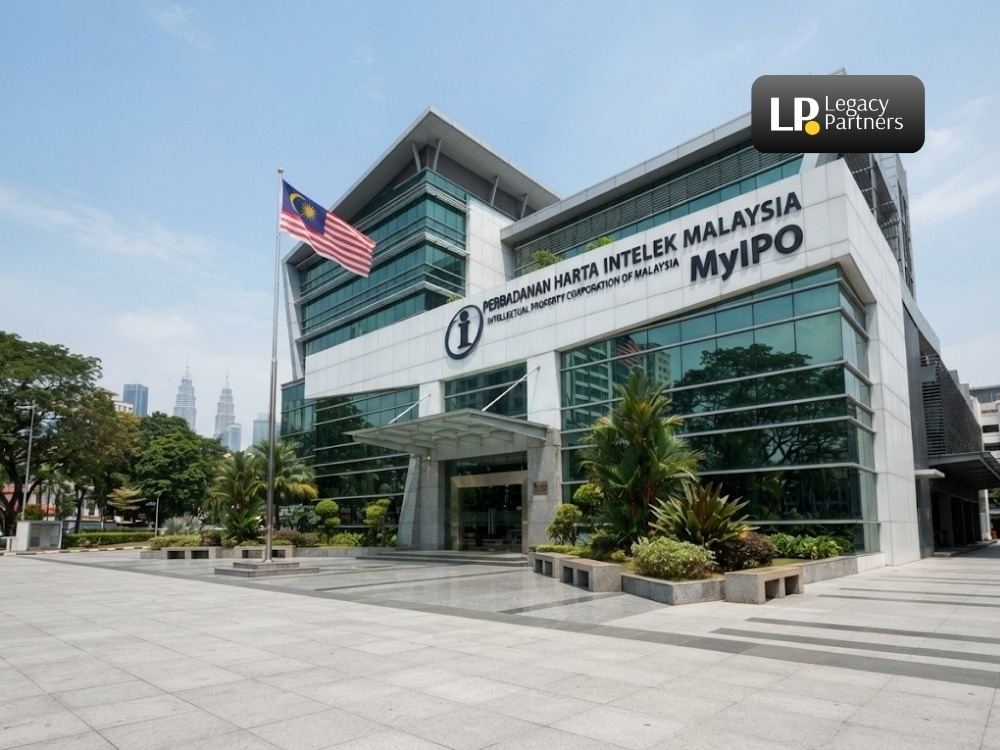
Enforcement Routes
• Opposition — challenge a conflicting application before it registers
• Invalidation — cancel a bad-faith registration already granted
• Passing off — a common law claim requiring proof of goodwill, misrepresentation, and damage
• Customs recordal — supports seizure of counterfeit goods at the border
Cost and Timeline
Relying on well-known status alone is almost always more expensive than registering: it requires extensive evidence-gathering, expert or survey evidence, and often contested proceedings with no guaranteed outcome. Registration, by contrast, involves a fixed filing fee and a fairly predictable path — typically 12 to 18 months from filing to grant if unopposed.
Registered vs. Unregistered: The Key Difference
| Registered Trademark | Unregistered Well-Known Mark |
| Presumption of ownership on the Register | Reputation must be proven each time |
| Fixed, predictable cost | High, unpredictable enforcement cost |
| Straightforward customs recordal | Slower, evidence-intensive recordal |
Key Risks of Not Registering
• Trademark squatting can block your own future registration
• Higher legal costs if a dispute arises
• Uncertain outcomes well-known status is discretionary, not guaranteed
• Weaker negotiating position against squatters
Ready to Register Your Trademark in Malaysia?
Don’t rely solely on well-known mark protection when a registered trademark offers stronger, clearer, and more enforceable rights.
info@legacypartners.global