




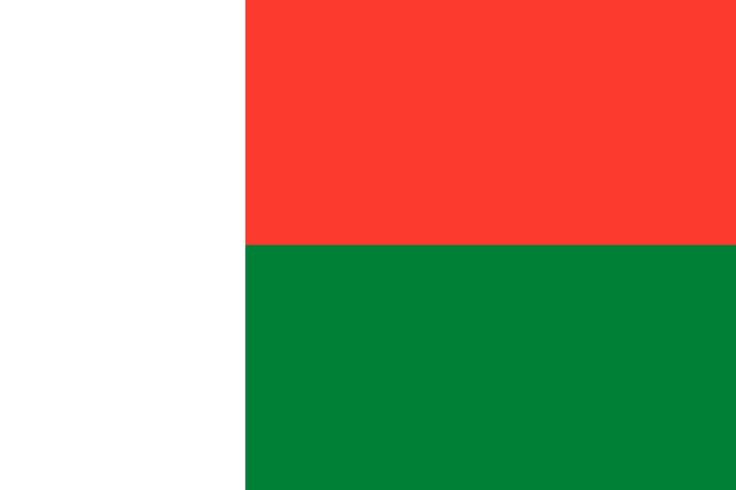
Madagascar
Trademark Registration in Madagascar - Protect Your Brand Nationwide
Trademark registration in Madagascar is administered by the Office Malgache de la Propriété Industrielle (OMAPI — Malagasy Office of Industrial Property), operating under the Ministry of Industry and Trade of the Republic of Madagascar. OMAPI is the competent national authority responsible for the filing, examination, publication, and registration of trademarks in Madagascar. The Malagasy trademark system follows a first-to-file principle and is rooted in French civil law traditions, reflecting Madagascar’s heritage as a former French colony and its continued membership of the Organisation internationale de la Francophonie (OIF). Madagascar is a member of the African Union, the Common Market for Eastern and Southern Africa (COMESA), the Indian Ocean Commission (IOC), the Southern African Development Community (SADC), and the World Trade Organization.
Introduction
The Republic of Madagascar is an island nation in the Indian Ocean situated approximately 400 kilometres off the southeastern coast of the African continent, separated from Mozambique by the Mozambique Channel. The world’s fourth-largest island, Madagascar is home to a population of approximately 28 million people and is one of the world’s most biodiverse nations — over 90% of its wildlife is found nowhere else on Earth, making it a globally significant centre for conservation, scientific research, and ecotourism. Antananarivo, the capital, is Madagascar’s largest city and the administrative and commercial centre. Madagascar’s economy is anchored in agriculture (vanilla — Madagascar is the world’s leading vanilla producer — cloves, coffee, lychee, and rice), mining (ilmenite, chromite, cobalt, nickel, sapphires, and rubies), fisheries, textiles and apparel (with preferential access to US markets under AGOA), and a growing tourism and ecotourism sector. Madagascar has dual official languages — Malagasy and French — and its legal and institutional framework reflects French civil law traditions. Trademark protection in Madagascar is relevant for businesses in agri-food (particularly vanilla, cloves, and spices), mining and natural resources, textiles and apparel, tourism, and any sector with commercial interests in Madagascar or the broader Indian Ocean island region.
Why Trademark Registration in Madagascar Is Important for Brand Protection?
Exclusive Rights: Grants exclusive legal ownership and the right to use your trademark throughout the Republic of Madagascar for the registered goods and services, with statutory priority over later conflicting marks under the first-to-file system.
Legal Enforcement: Enables you to take action against infringement, counterfeiting, and unauthorised use through OMAPI and the Malagasy courts, with civil and criminal remedies available under Law No. 2017-014 and Malagasy civil law.
Nationwide Protection: Secures trademark protection across the entire territory of Madagascar, including Antananarivo and major commercial centres such as Toamasina (principal port), Mahajanga, Fianarantsoa, and Toliara, and supports anti-counterfeiting actions through border measures administered by the Malagasy Customs Directorate.
Premium Products & GI Protection: Madagascar’s position as the world’s leading vanilla producer and a significant producer of premium spices, gemstones, and natural resources makes brand and provenance protection essential for exporters and investors in these high-value sectors.
Madrid Protocol Gateway: Madagascar’s Madrid Protocol membership enables cost-effective multi-country filing strategies that can include Madagascar within a broader Indian Ocean, African, or global trademark portfolio.
Asset Value: A registered trademark is a transferable intangible asset that can be licensed, franchised, pledged, or assigned to support commercial growth, export financing, joint ventures, and AGOA-related textile and apparel transactions.
Trademark Registration Procedure in Madagascar
Here is the step-by-step process followed for trademark registration in Madagascar. Legacy Partners manages each stage on your behalf — from initial clearance through to issuance of the registration certificate by OMAPI.
Madagascar Trademark Search & Application
We begin with a comprehensive availability search of the OMAPI register and the WIPO Madrid Database (for international registrations designating Madagascar) to identify potential conflicts before filing. Once clearance is confirmed, the application is prepared in French or Malagasy and filed with OMAPI in Antananarivo — either as a national filing or as the national phase of a Madrid Protocol designation. Legacy Partners manages all documentation, translation, and power of attorney requirements on the client’s behalf through its network of experienced local agents.
Formal & Substantive Examination
OMAPI conducts a formal examination (verifying applicant details, classification, fees, power of attorney, and documentation completeness) followed by a substantive examination on absolute grounds (distinctiveness, descriptiveness, deceptiveness, public order, and official emblems), consistent with Law No. 2017-014 and Madagascar’s TRIPS obligations. Office actions, if any, must be responded to within the prescribed deadlines. Local representation by a qualified agent is required for foreign applicants.
Acceptance and Publication
Once the application clears examination, the mark is published in the Official Gazette of the Republic of Madagascar (Journal Officiel de la République de Madagascar) and/or the OMAPI Bulletin, opening a two-month window for third-party opposition.
Opposition Period
Third parties holding prior rights may file an opposition within two (2) months from the date of publication. Grounds include identity or similarity with an earlier registered or well-known mark, bad-faith filing, or other grounds under Law No. 2017-014. Oppositions are decided by OMAPI, with appeal available to the competent Malagasy courts.
Registration & Certificate
If no successful opposition is raised, OMAPI registers the mark in the Malagasy Trademark Register (Registre des Marques), issues a Certificate of Registration, and publishes the registration. The mark is then enforceable against third parties throughout the Republic of Madagascar.
Validity & Renewal
The trademark is valid for 10 years from the filing date and is renewable indefinitely for successive 10-year periods on payment of renewal fees to OMAPI.
Governing Law
Trademark protection in Madagascar is principally governed by Law No. 2017-014 of 9 August 2017 on Industrial Property (Loi No. 2017-014 sur la Propriété Industrielle, as amended), which modernised Madagascar’s IP framework and establishes OMAPI as the national IP authority. The Law is supplemented by implementing decrees, the Civil Code of Madagascar (Code Civil malgache) for contractual IP matters, the Penal Code for criminal enforcement of trademark rights, and Customs legislation for border measures. Madagascar is a member of the Paris Convention and the Madrid Protocol, and is a WTO member bound by TRIPS minimum standards. Madagascar is also a member of WIPO and the Organisation internationale de la Francophonie. Given Madagascar’s French civil law heritage, French IP jurisprudence and doctrine may provide relevant interpretive guidance for the application of Malagasy trademark law.
Trademark Classes Madagascar (Nice Classification)
Madagascar follows the Nice Classification system, categorising trademarks into 45 classes — 34 for goods (Classes 1–34) and 11 for services (Classes 35–45). Multi-class applications are permitted. Applicants should work with experienced local agents to ensure that the specification of goods and services is appropriately drafted in French or Malagasy and consistent with Nice Classification standards as applied by OMAPI. Particular attention to classification is recommended for Madagascar’s key export sectors: vanilla and spices (Class 30), essential oils and cosmetics ingredients (Class 3), gemstones and precious metals (Class 14), textiles and apparel (Classes 24 and 25), tourism and hospitality (Classes 39, 43), and mining and natural resources services (Class 37).
Trademark Services Available in Madagascar
Attorney-Assisted Search
In-depth legal search of the OMAPI register and WIPO Madrid Database to identify potential conflicts before filing.
Trademark Registration Services
Complete filing and application management for Madagascar national trademarks — handled by qualified agents experienced with OMAPI.
Trademark Renewal Services
Hassle-free renewals to maintain your Madagascar trademark protection, with proactive deadline monitoring and docketing.
Watch & Monitoring Services
Continuous monitoring of OMAPI publications and the WIPO Madrid Database to identify potential conflicts, including across Indian Ocean and COMESA jurisdictions.
Ownership Transfer / Assignment
Efficient handling of trademark ownership transfers, corporate mergers, and restructuring recordals with OMAPI.
Licensing & Franchising Support
Expert guidance to license, franchise, or expand your brand within Madagascar and across the Indian Ocean, COMESA, SADC, and Francophone African markets.
Opposition & Enforcement
End-to-end representation in opposition and appeal proceedings before OMAPI and Malagasy courts, and in civil and criminal infringement proceedings.
Customs Recordal & Anti-Counterfeiting
Recordal of trademarks with the Malagasy Customs Directorate and coordination of border seizure actions, including at the Port of Toamasina and Antananarivo airport.
Documents for Filing
Applicant name & business entity (individual or company, with registered address)
Trademark details (word mark, figurative/logo, combined, or other mark type)
Classes of goods and/or services (Nice Classification)
Power of attorney (notarised and apostilled or legalised; certified French or Malagasy translation required for foreign applicants)
Specimen or representation of the mark (for figurative or non-standard marks)
List of goods/services (in French or Malagasy, clear and precise specification)
Priority documents (if claiming convention priority under the Paris Convention)
Certified French or Malagasy translation of all documents not originally in French or Malagasy
Fees are indicative and subject to change. Contact us for the latest details.
**Last updated on: March 17, 2026
Timeline
Approximately 12 to 18 months for registration in a straightforward case without objections or oppositions. OMAPI operates with developing administrative capacity and processing times may vary. Where a Madrid Protocol designation is used, the timeline may vary depending on the procedural status at WIPO and examination requirements at OMAPI. Applicants are advised to file early and to retain experienced local representation to monitor application progress proactively. Legacy Partners maintains direct contact with OMAPI to track each application on behalf of clients.
Validity & Renewal
The trademark is protected for 10 years from the filing date, renewable indefinitely for further 10-year periods on payment of renewal fees to OMAPI. A grace period may be available after expiry, subject to applicable surcharges. Madagascar requires genuine use of the trademark within three (3) years of registration — a shorter non-use vulnerability period than many jurisdictions. Failure to use the mark within this period may expose it to cancellation on grounds of non-use upon the application of any interested third party. Rights holders should document commercial use in Madagascar carefully and plan for genuine market activity at or soon after registration.
Frequently Ask Questions
Get A QuoteQ1: How long does trademark registration take in Madagascar?
If no objections or oppositions arise, trademark registration in Madagascar typically takes approximately 12 to 18 months from the filing date through to issuance of the registration certificate by OMAPI. Timelines may vary depending on OMAPI’s workload and whether a Madrid Protocol designation is involved.
Q2: Do I need a local representative to file a trademark in Madagascar?
Q3: Are multi-class trademark applications permitted in Madagascar?
Q4: What is the validity period of a trademark registration in Madagascar?
Q5: Can I register a trademark in Madagascar without a local company?
Q6: What languages are used for filing in Madagascar?
Q7: What is the opposition period after publication in Madagascar?
Q8: Is Madagascar a member of the Madrid Protocol?
Q9: What is the use requirement for trademarks in Madagascar?
Q10: Why is Madagascar strategically important for trademark registration in the vanilla and spices sector?
Q11: Does a Madagascar trademark protect me in other Indian Ocean or African countries?
Q12: Does Madagascar recognise well-known marks?
Q13: Can I assign or licence my trademark in Madagascar?
Q14: Is Madagascar a member of ARIPO?
Q15: What is the best trademark registration provider for Madagascar?

Need expert guidance for Madagascar trademark registration?
Book a 1:1 consultation with our trademark specialists.
Register early under the first-to-file system to prevent brand hijacking.
Insights on Madagascar IP Protection
Read More InsightsNo country category assigned.
Ready To Protect Your Brand
Don’t leave your intellectual property unprotected. With LP GLOBAL, trademark registration becomes clear, affordable, and stress-free. Whether you’re a startup or an established business, our expert team ensures your brand is safeguarded every step of the way.