
Trademark Registration in Germany: The Complete DPMA Filing Guide
 Germany
What Is the DPMA and Why Does It Matter for Brand Owners?
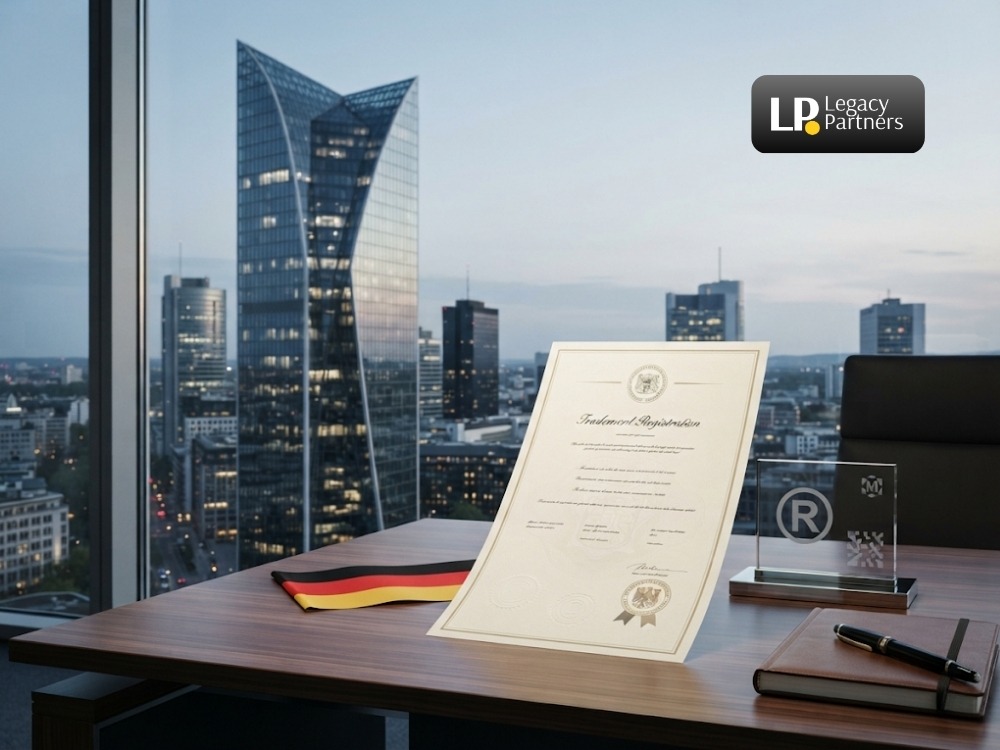
The Deutsches Patent- und Markenamt (DPMA), headquartered in Munich, is Germany’s national office for patents, trademarks, and designs. It examines and registers all national German trademark applications under the Markengesetz (German Trade Mark Act). A DPMA registration gives the owner exclusive rights to use the mark in connection with the registered goods and services throughout Germany, along with the right to oppose confusingly similar marks and to sue for infringement in German courts.
Germany’s strong judicial enforcement culture, combined with its position as the EU’s largest single market by GDP, makes a German trademark one of the most commercially valuable filings a business can hold in Europe.
Do You Need a National German Filing or an EU Trademark?
This is the first strategic decision every applicant should make, and it depends on where the business currently operates and where it plans to grow.
- File nationally with the DPMA if your commercial activity is centered on Germany, Austria, or the DACH region, or if you want a filing that is harder to challenge on non-use grounds tied to other EU member states.
- File an EU trademark (EUTM) through EUIPO if you need protection across all 27 EU member states in a single application, since an EUTM automatically covers Germany.
- File both when a business wants a defensive national registration in Germany plus broader EU coverage, which is common for established brands facing crowded registers.
A useful rule of thumb: a EUTM is cost-efficient for multi-country EU plans, but it is vulnerable to opposition or cancellation if the mark is not genuinely used across a substantial part of the EU within five years. A standalone German filing avoids that exposure for businesses whose core market is Germany.
What Are the Requirements to Register a Trademark in Germany?
The DPMA does not require proof of prior use before accepting an application, but every filing must meet these baseline requirements:
- A clear representation of the mark, word, logo, combined word and device, sound, colour, or shape mark
- A list of goods and services classified under the Nice Classification (currently 45 classes)
- Applicant details, no local German entity or address is required for foreign applicants
- The applicable filing fee paid at the time of submission
Foreign applicants without a residence or business establishment in the EU or European Economic Area are legally required to appoint a professional representative in Germany for any proceedings before the DPMA, which makes working with an authorised representative a practical necessity rather than an optional convenience.
Step by Step: How to Register a Trademark with the DPMA
- Filing: Submit the trademark application to the DPMA with the required details, mark representation, goods/services, and fees.
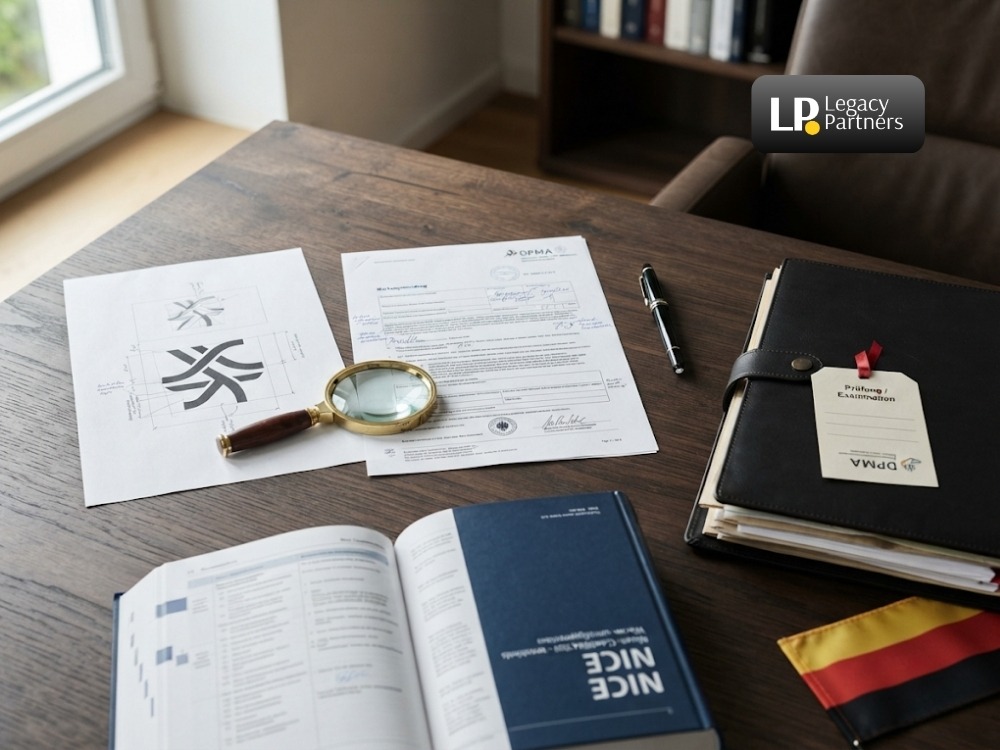
- Formal & Absolute Grounds Examination: The DPMA checks the application for formal compliance and examines whether the mark meets the legal requirements for registration.
- Registration: If no grounds for refusal are identified, the trademark is entered into the DPMA Trademark Register.
- Publication in the Markenblatt: The registration is published in the Markenblatt (Trademark Gazette).
- 3-Month Opposition Period: Third parties with earlier rights may file an opposition within three months from publication.
- Trademark Protection: If no opposition is filed, or any opposition is resolved in your favour, the registration continues to provide protection for the registered goods and services.
How Long Does Trademark Registration Take in Germany?
An unopposed application typically registers in around 3 to 4 months from filing. Applications facing an opposition, an examiner’s objection, or a request for clarification can take 8 to 14 months or longer to resolve. Applicants seeking faster certainty can pay an additional fee for accelerated examination, which can bring the formalities and absolute grounds review down to a matter of weeks, though the mandatory three month opposition period still applies afterward.
What Happens if Someone Opposes Your Trademark Application?
Any party holding an earlier German, EU, or Madrid Protocol trademark designating Germany may file a formal opposition within three months of publication in the Markenblatt. The DPMA’s Trademark Division reviews the opposition, both sides may submit arguments and evidence, and a decision follows on whether the marks create a likelihood of confusion. Either party can appeal an unfavourable decision to the Federal Patent Court (Bundespatentgericht). Early clearance searches and careful class drafting significantly reduce the risk of opposition.
What Rights Does a Registered German Trademark Give You?
- Exclusive nationwide rights to use the mark for the registered goods and services
- The right to prevent third parties from using identical or confusingly similar marks in Germany
- Standing to file opposition and cancellation actions against later conflicting applications
- The ability to license, assign, or use the mark as collateral for financing
- A basis for customs recordal to stop counterfeit goods at German borders
- Priority rights that can support later Madrid Protocol or EUTM filings within six months of the German filing date
What Are Common Mistakes to Avoid When Filing in Germany?
- Filing under overly broad or vague class headings that later fail to cover the actual goods or services offered
- Skipping a clearance search and discovering a conflicting earlier mark only after publication
- Assuming use in Germany is required before filing, which it is not, but failing to plan for the five year use requirement after registration
- Not appointing a local representative, which is a legal requirement for applicants without an EU or EEA establishment
- Missing the three month opposition window as a deadline for monitoring competitor filings
- Letting the 10 year renewal deadline lapse, since a lapsed German mark cannot always be restored
Do You Need to Use the Trademark After Registration?
Yes. Under German law, a registered mark must be put into genuine use within five years of the end of the opposition period, or of registration if unopposed. A mark that remains unused for five consecutive years becomes vulnerable to a cancellation action for non-use, which any third party can file. Businesses that register defensively should keep clear records of use, packaging, invoices, and advertising, to defend the registration if challenged.
International Protection Strategy from a German Filing
A German trademark application or registration can serve as the base filing for an international application under the Madrid Protocol, administered by WIPO. This allows an owner to extend protection to over 130 member countries through a single application referencing the German mark, provided the international application is filed within the required timeframe and the base mark remains valid.
Expert Guidance for German Trademark Registration
Protect your brand with confidence. With 15+ years of experience and a team of professional trademark attorneys, we provide strategic guidance for trademark registration and protection in Germany and internationally. info@legacypartners.global
Frequently asked questions
Question 1: Is prior use of a trademark required to register it in Germany?
Prior use is not required when filing a German trademark application with the DPMA, although genuine use becomes important after registration.
How long is a German trademark valid?
A German trademark is valid for 10 years from the filing date and can be renewed indefinitely for additional 10-year periods.
How long does trademark registration in Germany take?
An unopposed application typically takes around 3 to 4 months. Applications involving objections or opposition can take 8 to 14 months or longer.
What is the difference between a DPMA trademark and an EU trademark?
A DPMA trademark protects the mark in Germany, while an EU trademark filed through EUIPO provides protection across all 27 EU member states, including
Does the DPMA check for conflicting earlier trademarks?
No. The DPMA primarily examines absolute grounds for refusal. Owners of earlier trademarks can raise conflicts through the three-month opposition process after publication.