Malaysia Just Changed Its Trademark Rules: Here’s Why Brand Owners Should Pay Attention

 Malaysia
Malaysia Just Changed Its Trademark Rules: Here’s Why Brand Owners Should Pay Attention
On 1 February 2026, the Intellectual Property Corporation of Malaysia (MyIPO) introduced VA1-2026, the first amendment to the Guidelines of Trademarks 2019. The changes are procedural rather than substantive, but they carry real practical consequences for anyone filing, maintaining, or enforcing trademarks in Malaysia.
Whether you are a Malaysian business owner or a foreign rights holder managing a local portfolio through an agent, this update is worth a closer look.
What Is VA1-2026 and Why Was It Introduced?
VA1-2026 is the first formal amendment to Malaysia’s Guidelines of Trademarks since they were issued in 2019. MyIPO describes the update as procedural, meaning it does not alter the substantive law on what can be registered as a trademark or how infringement is assessed. Instead, it tightens the administrative and documentary standards that applicants, agents, and rights holders must meet at each stage of the trademark lifecycle.
The amendment reflects a broader trend at MyIPO over the past few years: steadily refining internal procedure and aligning local practice more closely with international standards used by other IP offices.
Quick Facts: VA1-2026 at a Glance
Regulation |
VA1-2026 |
Issuing Authority |
Intellectual Property Corporation of Malaysia (MyIPO) |
Effective Date |
1 February 2026 |
Nature of Change |
First amendment to the Guidelines of Trademarks 2019 (procedural, not substantive) |
Who Is Affected |
Malaysian brand owners, foreign rights holders, and trademark agents managing Malaysian filings |
Key Focus Areas |
Agent verification, powers of attorney, representation evidence, Nice Classification accuracy |
What Are the Key Changes Under VA1-2026?
| Area | What Changed Under VA1-2026 |
Trademark agents |
Closer verification of an agent’s registration and authority before applications and other matters are processed |
Powers of attorney |
Revised formal requirements; documents accepted under the 2019 guidelines may no longer be sufficient |
Representation |
More situations now require formal proof of an agent’s authority to act, even where minimal evidence was previously enough |
Nice Classification |
Specifications must align with the latest edition; outdated or overly broad wording is more likely to draw objections |
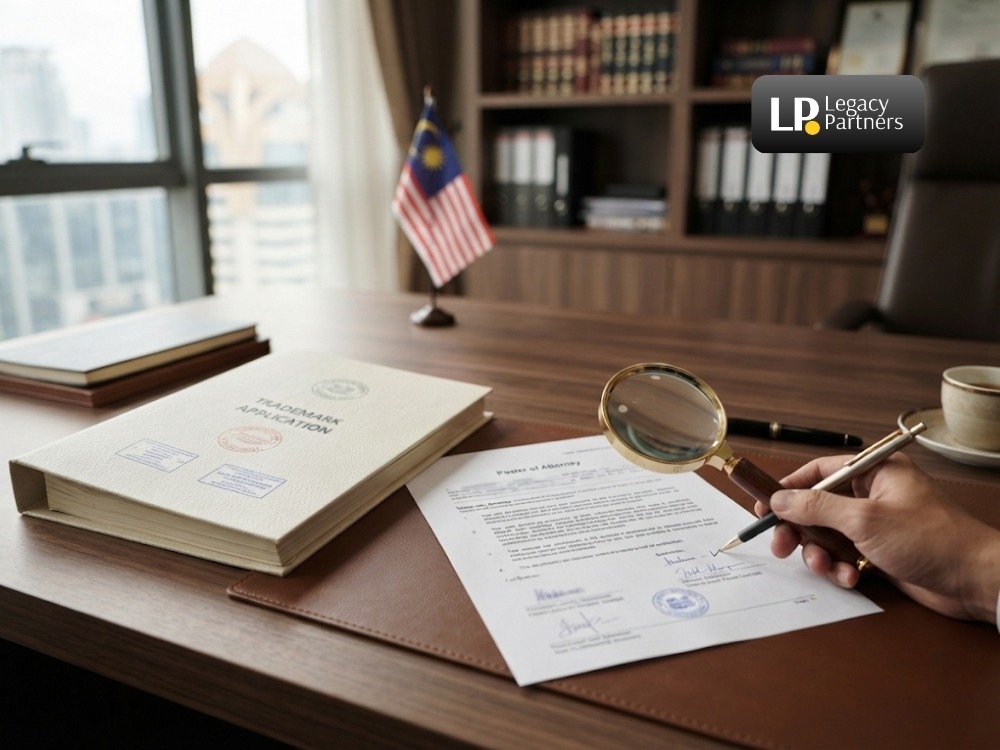
Stricter Scrutiny of Trademark Agents
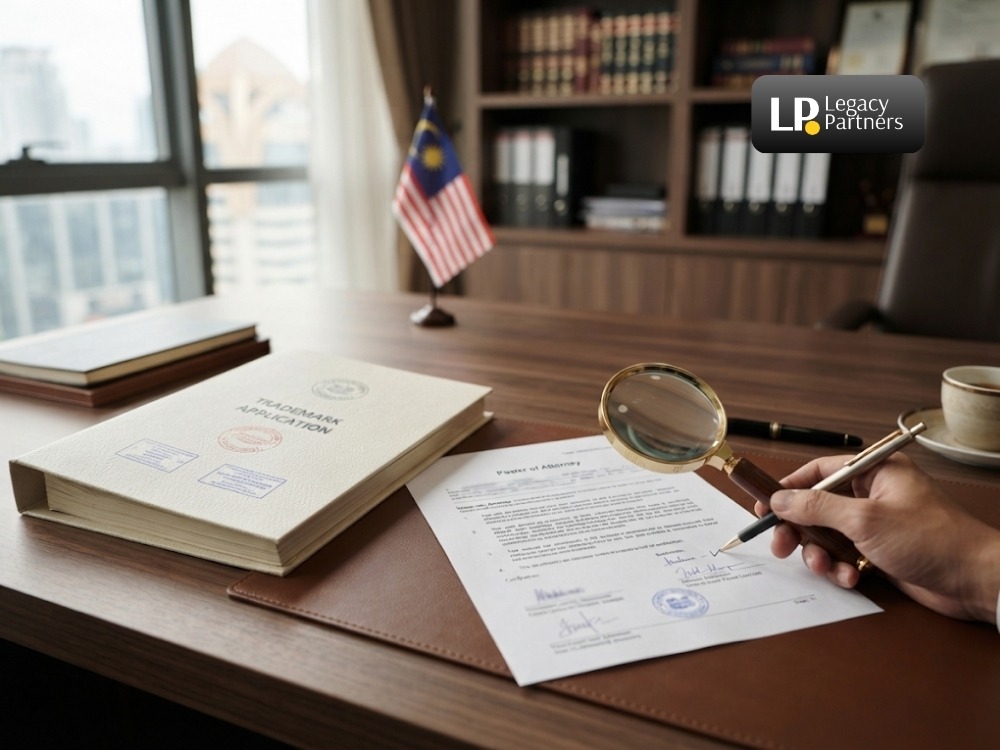
MyIPO has tightened its approach to agent representation. Trademark agents are now subject to closer verification, and any issues with an agent’s registration status or authority could affect the processing of applications and other trademark matters. Businesses should confirm that the representatives handling their portfolios remain properly registered and authorised with MyIPO.
Stricter Requirements for Powers of Attorney
The updated guidelines revise the formal requirements for powers of attorney. Documents that satisfied the previous 2019 guidelines may not necessarily meet the new standard. Rights holders relying on older powers of attorney should have them reviewed before submitting new filings, renewals, or recordals.
Expanded Rules on Representation
VA1-2026 expands the circumstances in which formal representation must be established. Filings that previously required little supporting documentation may now call for additional evidence confirming that an agent is authorised to act on the applicant’s behalf.
Tighter Compliance With the Nice Classification
MyIPO is placing greater emphasis on the accurate classification of goods and services. Specifications are expected to align with the latest edition of the Nice Classification, and outdated or overly broad descriptions are more likely to attract objections during examination. Applicants should review their specifications carefully before filing rather than reusing wording from older applications.
None of these changes require an overhaul of trademark strategy for most brand owners. They do, however, raise the documentary bar for agent authority, powers of attorney, and classification accuracy at every stage from filing through enforcement.
Why Should Existing Trademark Portfolios Be Reviewed Now?
It is easy to dismiss VA1-2026 as an administrative update with no real bite. In practice, questions about an agent’s authority or the validity of a power of attorney tend to surface at the worst possible moment: during oppositions, renewals, recordals, or enforcement proceedings. Discovering a procedural defect at that stage can lead to unnecessary delays, additional costs, and in some cases, avoidable disputes over ownership or standing.
A portfolio that has not been examined since VA1-2026 took effect may still be compliant, but the only way to know for certain is to check.
How Can Brand Owners Stay Compliant Under VA1-2026?
- Confirm that the trademark agent handling your Malaysian filings is currently registered and authorised with MyIPO.
- Review any existing powers of attorney against the updated formal requirements before relying on them for a new filing, renewal, or recordal.
- Check whether recent or pending matters require additional evidence of representation authority under the expanded rules.
- Audit your goods and services specifications for alignment with the latest edition of the Nice Classification, and update overly broad or outdated wording.
- Schedule a compliance review of your full Malaysian trademark portfolio, particularly if it has not been examined since 1 February 2026.
What Does This Mean for Foreign Rights Holders?
Foreign businesses that manage Malaysian trademarks through a local agent are especially exposed to these changes, since they typically have less day-to-day visibility into the agent’s registration status or the paperwork on file with MyIPO. Confirming that your local representative is properly authorised, and that your powers of attorney meet the current standard, is now a more important part of managing a Malaysian or wider ASEAN trademark portfolio.
Is a Complete Trademark Strategy Overhaul Necessary?
No. For most brand owners, VA1-2026 does not require rethinking trademark strategy from the ground up. It does, however, make this an appropriate time for a relatively simple compliance check, since catching a procedural gap now is far less costly than uncovering it in the middle of an opposition or enforcement action.
Is your Malaysian trademark portfolio VA1-2026 compliant?
Get expert support from 15+ years of experience and experienced professionals. Protect your brand with LP Global. info@legacypartners.global
Frequently asked questions
What is MyIPO?
MyIPO, the Intellectual Property Corporation of Malaysia, is the government body responsible for administering trademarks, patents, industrial designs, and other intellectual property rights in Malaysia.
What is VA1-2026?
VA1-2026 is the first amendment to Malaysia's Guidelines of Trademarks 2019, introduced by MyIPO and effective from 1 February 2026. It updates procedural requirements around trademark agents, powers of attorney, representation, and classification.
When did VA1-2026 take effect?
VA1-2026 took effect on 1 February 2026.
Are the VA1-2026 changes substantive or procedural?
MyIPO has described the changes as procedural rather than substantive. They do not alter what can be registered as a trademark, but they do change the documentary and verification standards applicants and agents must meet.
Do I need a new power of attorney under VA1-2026?
Possibly. Powers of attorney accepted under the 2019 guidelines may not satisfy the updated formal requirements. It is worth having existing powers of attorney reviewed before they are relied on for a new filing, renewal, or recordal.
What is the Nice Classification and why does it matter now?
The Nice Classification is the international system used to group goods and services for trademark registration purposes. Under VA1-2026, MyIPO is scrutinising specifications more closely, and outdated or overly broad wording is more likely to attract objections.
Can outdated goods and services descriptions cause problems under the new rules?
Yes. Specifications that relied on older, broader wording may now attract objections during examination. Reviewing and updating classifications before filing reduces this risk.