Luckin Coffee’s THB 95 Million Thailand Trademark Win

 Thailand
What Happened in the Luckin Coffee Thailand Case?
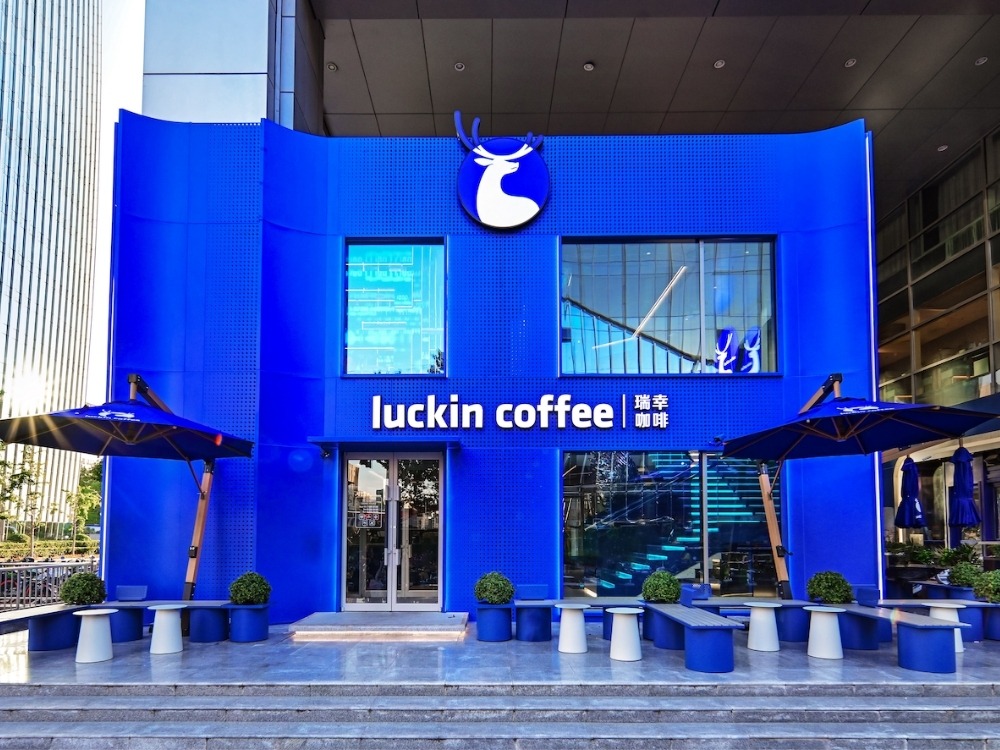
The dispute traces back to 2021, when Luckin Coffee was preparing to enter the Thai market. During that process, the company discovered that a local business, widely referred to as the Royal 50R Group, had already registered and was operating coffee shops under the Luckin Coffee name, using a logo that closely mirrored Luckin’s distinctive blue deer emblem. Although the Thai version carried minor differences, the overall look and feel was close enough to create a real risk of consumer confusion.
Luckin initially won before Thailand’s Central Intellectual Property and International Trade Court, but that decision was overturned on appeal over procedural questions relating to ownership of the asserted trademark rights.
The case was finally settled on 8 July 2026, when the Court of Appeal for Specialised Cases affirmed the lower court’s judgment in full, closing out one of the largest trademark disputes in the country’s history.
What Did the Thai Court Order?
The appellate court granted comprehensive relief in Luckin’s favour. The order required the following:
- Cancellation of the defendants’ registered Luckin Coffee trademarks
- A permanent prohibition on using the Luckin Coffee name and deer logo for any coffee-related business
- A requirement that the defendants change their corporate name and company seal
- Payment of THB 10 million in base damages, plus continuing damages of THB 100,000 per day from the start of proceedings until the infringing activity stopped
By the date of the appellate judgment, the daily damages had accumulated over 856 days, pushing the total award past THB 95 million (roughly USD 2.8 to 3 million), a record figure for Thai intellectual property litigation.
Why Is This Ruling Considered a Landmark Decision?
Legal commentators have described this as the first Thai appellate decision to expressly recognise the concept of trademark squatting. The court made clear that simply holding an earlier domestic registration does not shield a party that acted in bad faith by appropriating another company’s established brand.
This matters because Thailand generally follows a first-to-file trademark system, where registration priority normally decides ownership. The court confirmed, however, that an earlier registration is not absolute where another party can show prior and superior rights combined with clear evidence of bad-faith registration

How Did the Court Justify Such a Large Damages Award?
Historically, claimants in Thailand have struggled to recover substantial damages in IP disputes because it is difficult to quantify actual commercial losses with precision. In this case, the court took a broader view, recognising that trademark squatting causes harm well beyond lost sales, including:
- Delayed market entry into Thailand
- Reputational injury from association with an unauthorised operator
- Disruption to regional expansion plans
- Ongoing consumer confusion in the marketplace
- The direct costs of reclaiming misappropriated IP rights
This broader approach to calculating damages is likely to influence how future trademark squatting claims are argued and assessed in Thailand
Court Relief at a Glance
Relief Granted |
Detail |
Trademark cancellation |
Defendants’ registered “Luckin Coffee” marks cancelled in full |
Permanent injunction |
Bar on using the Luckin Coffee name and deer logo for coffee businesses |
Corporate changes |
Defendants ordered to change company name and company seal |
Base damages |
THB 10 million |
Continuing damages |
THB 100,000 per day for 856 days of ongoing infringement |
Total award |
Over THB 95 million (approx. USD 2.8–3 million) |
What Does the ‘Better Right’ Doctrine Mean for Trademark Owners?
The Luckin Coffee judgment reinforces what is known as the better right doctrine, the principle that genuine, prior use and ownership of a brand can outweigh a later party’s formal registration where bad faith is evident. Combined with the court’s willingness to award record damages, the decision signals a stronger judicial appetite in Thailand to protect legitimate brand owners against opportunistic filers.
For rights holders, this is encouraging. It shows that first-to-file systems are not an automatic shield for squatters, and that courts are prepared to look behind the register to the underlying facts of use, reputation, and intent.
What Should Businesses Expanding Internationally Do Differently?
The case is a timely reminder that trademark protection needs to be built into any international expansion strategy from day one, not treated as an afterthought once a dispute arises. Businesses should:
- File trademark applications in target jurisdictions before entering the market, not after
- Monitor overseas trademark registers regularly for potentially conflicting or copycat applications
- Act promptly against bad-faith registrations as soon as they are identified
- Maintain a clear enforcement strategy covering opposition, cancellation, and litigation options
- Keep detailed records of first use, marketing spend, and brand reputation to support a bad-faith claim if needed
Key Takeaways
- Thailand’s Court of Appeal for Specialised Cases has, for the first time, expressly recognised trademark squatting as a legal concept
- The THB 95 million award is the largest damages figure ever granted in a Thai IP case
- An earlier domestic registration is not absolute protection where bad faith and prior superior rights can be shown
- Damages can reflect delayed market entry, reputational harm, and disruption, not just direct lost sales
- Filing early in every target market remains the most effective and least expensive form of protection
Is Trademark Squatting a Risk Beyond Thailand?
Trademark squatting is not unique to Thailand. Businesses expanding across the GCC, wider Asia, Europe, or elsewhere face similar exposure in jurisdictions that operate on a first-to-file basis. A brand that delays registration until it is ready to launch often finds that a local party has already filed an identical or confusingly similar mark, sometimes deliberately, in anticipation of the brand’s eventual entry.
The practical lesson from the Luckin Coffee case is the same everywhere: registering a trademark is far cheaper and faster than trying to recover it through years of litigation after a squatter has already built a business around your brand identity.
Protect Your Brand Before a Dispute Begins
With 15+ years of intellectual property experience and a team of seasoned attorneys, we help businesses secure, monitor, and enforce their trademarks across key international markets. Speak to an IP Attorney Today info@legacypartners.global
Frequently asked questions
What is trademark squatting?
Trademark squatting occurs when a party registers a brand name, logo, or mark belonging to another business, typically before that business has entered the relevant market, with the intent of blocking, extorting, or profiting from the rightful owner's eventual expansion.
Why did Luckin Coffee initially lose on appeal before winning the final judgment?
Luckin's first win at the Central Intellectual Property and International Trade Court was overturned on procedural grounds relating to ownership of the asserted trademark rights, not on the merits of the squatting claim itself. The Court of Appeal for Specialised Cases later affirmed the original judgment in full.
How much did the defendants have to pay?
The total award exceeded THB 95 million, combining THB 10 million in base damages with continuing damages of THB 100,000 per day for the 856 days the infringement remained ongoing.
Does Thailand operate a first-to-file trademark system?
Yes, Thailand generally follows a first-to-file system. However, this case confirms that an earlier registration is not absolute where the true rights holder can demonstrate prior and superior rights along with evidence of bad-faith registration.
What is the 'better right' doctrine?
It is the principle that genuine prior use and ownership of a brand can outweigh a later formal registration when the later filer acted in bad faith, effectively allowing courts to look past the register to the real facts of use and reputation.